As a business grows, the gaps in the freight model tend to become harder to ignore.
In freight, that usually happens before businesses expect it. More orders move through the network. Delivery points expand. Customer expectations lift. More carriers get involved. What once felt manageable starts creating drag across the operation.
A missed delivery here. A delayed update there. More time spent chasing answers. More pressure on internal teams to fill the gaps.
At BR International, we see this pattern often. Freight does not become harder simply because volume increases. It becomes harder when the structure around it no longer matches the shape of the business. What worked at one stage starts to strain at the next.
That is when freight stops being a background function and starts affecting service, planning and margin.
Growth adds complexity faster than most freight models can handle
As a business grows, freight does not just increase in volume. It becomes harder to control.
More volume brings more touchpoints. More locations bring more variables. More customers bring less tolerance for inconsistency. Add multiple carriers, tighter delivery windows and internal teams working across disconnected updates, and the pressure builds quickly.
In smaller operations, businesses can often manage around those gaps. Teams know the contacts. They follow up manually. They work from experience. But growth makes that harder to sustain. What once felt flexible starts becoming inefficient.
The issue is not growth itself. The issue is relying on a freight model that has not grown with it.
Is the Lowest Freight Rate Really the Lowest Cost?
Freight pressure does not always show up first in the transport line.
It often appears elsewhere: in delayed deliveries, customer complaints, admin time, retail penalties and teams spending too much energy chasing information that should already be visible.
That is why freight should not be judged on rate alone.
A lower-cost option can look efficient in isolation. But once it starts creating service issues, internal rework and operational disruption, the true cost becomes much harder to ignore. For growing businesses, this is often the point where cheap freight stops looking efficient and starts looking expensive.
What’s The Role of Freight Visibility?

As networks become more complex, visibility becomes more than a convenience. It becomes part of operational control.
When updates sit across different carriers, portals and handovers, teams lose time piecing together what is happening. That delay matters. It slows response times, weakens communication and turns manageable issues into broader disruptions.
Clear visibility changes that.
When teams can see what is moving, what is delayed and where the risk sits, they can make better decisions earlier. That usually means less disruption, less internal friction and more confidence across the operation.
As Michael Bourne, Director of BR International, puts it, “Good data gives businesses the ability to act earlier.”
That principle sits behind PATHWAY, BRi’s proprietary platform. It is designed to give clients a clearer view across the supply chain, turning fragmented updates into practical visibility that supports earlier action and reduces risk.
Accountability is what keeps freight from becoming internal drag
Visibility helps teams see the issue. Accountability determines what happens next.
Once freight becomes more complex, unclear ownership starts creating friction. One party controls the freight. Another controls the information. Someone internally is trying to connect the dots. The issue is visible, but not properly owned.
That is where businesses start feeling the weight of growth in the wrong places.
A stronger freight operation creates clarity around responsibility, communication and escalation. It reduces chasing. It shortens response times. And it gives the business more confidence that the network can handle pressure without creating more noise internally.
A modern freight partner should help the business stay in control
As freight becomes more demanding, the role of the partner changes too.
It is no longer enough to simply move goods from one point to another. The real value is in how well that partner supports the operation around it – through visibility, communication, carrier coordination and the ability to respond when conditions shift.
That is what scalable support looks like.
It gives the business more confidence during peak periods, growth phases and day-to-day operations where service consistency matters. It helps absorb complexity instead of passing it back upstream.
At BRi, that is the expectation. Freight should support growth with clearer information, stronger accountability and practical control across the supply chain.
Final thought
Freight should support growth, not compete with it.
But once complexity starts building, that only happens if the model behind the network is still fit for purpose. Without that, growth creates more chasing, more escalation and more operational drag than it should.
Handled well, freight gives the business something much more valuable: consistency, control and the confidence to keep growing without losing grip on service.
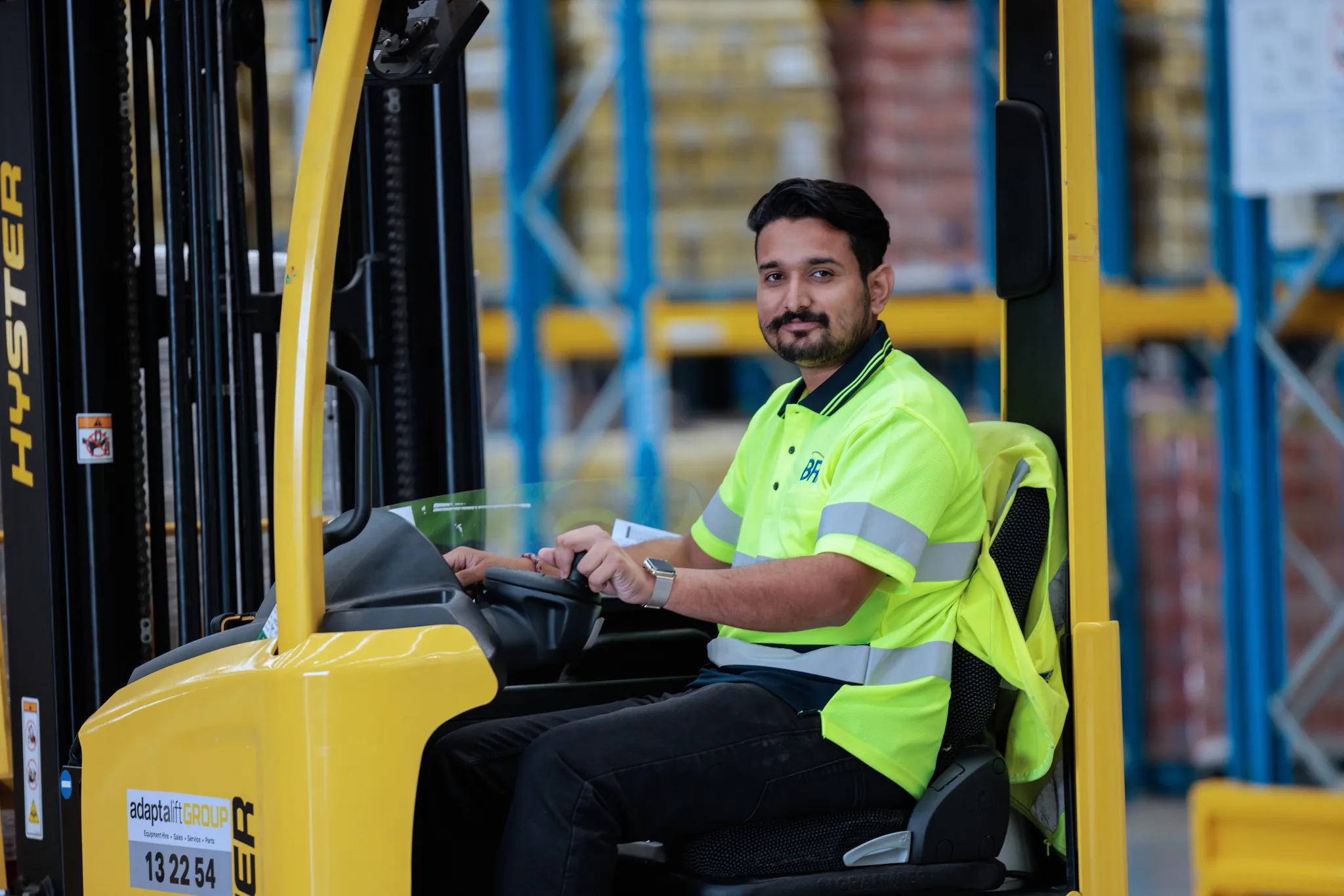
If freight is becoming harder to manage as your business grows, it may be time to step back and ask whether the model behind it is still fit for purpose. BR International helps businesses strengthen visibility, improve accountability and build freight operations that support growth with more confidence.